
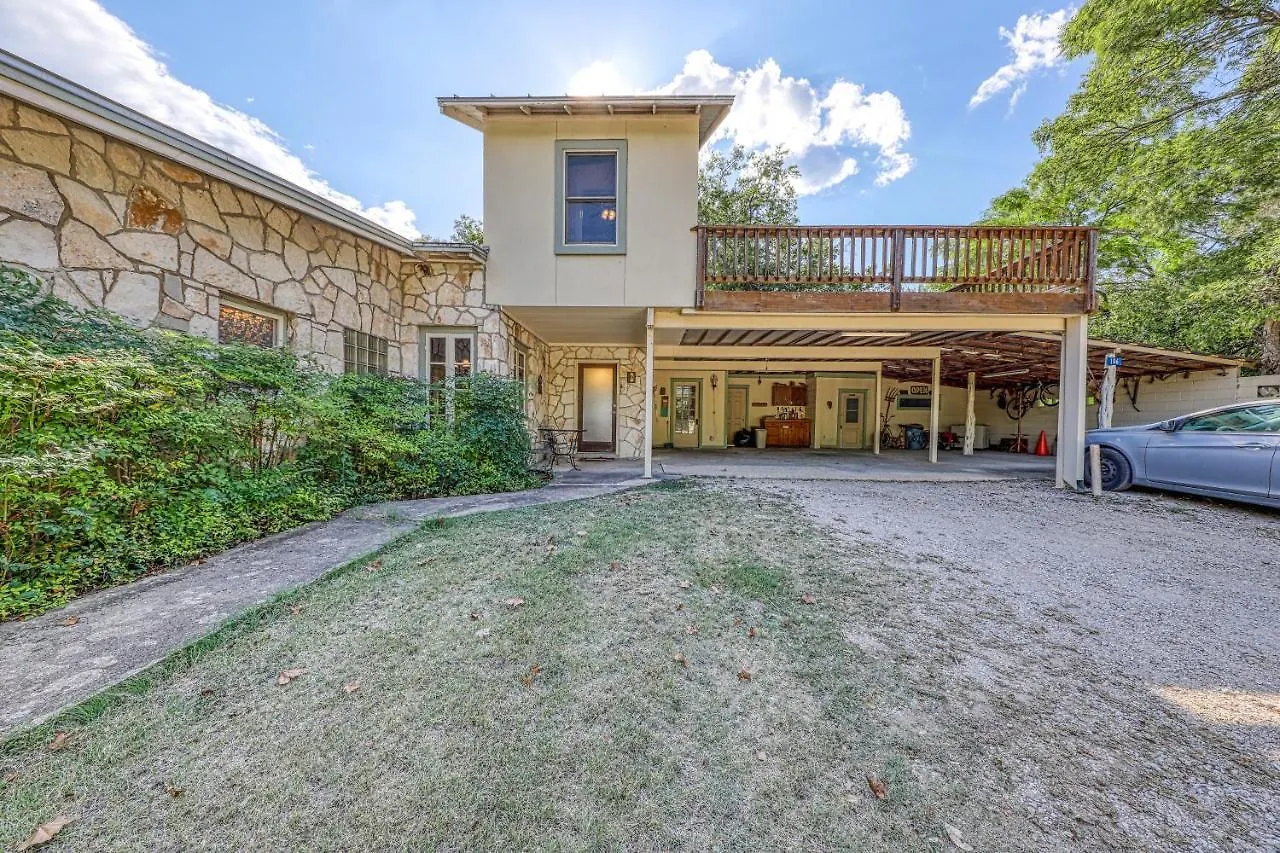
Texas Wine Country - centered in the Texas Hill Country around Fredericksburg, Kerrville, and Ingram - has become one of the most compelling wine and nature destinations in the American South. With over 50 wineries within a short drive and a landscape defined by the Guadalupe and Frio rivers, rolling cedar hills, and vast open skies, the region draws couples, solo travelers, and small groups looking for something beyond a standard hotel stay. The accommodations listed here all carry strong overall user ratings, reflecting real guest satisfaction across comfort, location, and value.
What It's Like Staying in Texas Wine Country
Staying in Texas Wine Country means committing to a car-dependent, slow-paced experience where the drive between wineries, rivers, and towns is part of the trip itself. Most properties sit on rural land or along river corridors, which means you won't walk to restaurants - but you'll wake up to silence, wildlife, and unobstructed Hill Country views. The region draws the most visitors between March and May and again in October, when wildflower blooms and fall foliage align with the harvest season at local wineries.
This destination rewards travelers who want to decompress, explore independently, and spend evenings under dark skies rather than in dense urban nightlife. Families, couples celebrating milestones, and remote workers on workcations all find strong value here - but urban travelers expecting walkable amenities or dense dining scenes may find the pace frustrating.
Pros:
- Direct access to over 50 wineries, many within a 20-minute drive of Fredericksburg
- River-based properties along the Guadalupe offer on-site kayaking, swimming, and tubing without leaving the accommodation
- Night sky quality is exceptional due to low light pollution across most of the region
Cons:
- A personal vehicle is non-negotiable - there is no meaningful public transport between towns or wineries
- Peak weekends in spring and fall book out weeks in advance, especially for unique properties like glamping sites and river cottages
- Dining options thin out quickly outside of Fredericksburg - groceries and restaurants require planning in smaller towns like Ingram
Why Choose Highly-Rated Hotels in Texas Wine Country
In a region where the accommodation itself is often the attraction - think glamping domes, riverside cottages, and hilltop lodges - guest ratings carry more weight than brand reputation. Highly-rated properties here consistently outperform chain hotels on immersion, privacy, and host responsiveness, which matters when you're staying in a rural setting where service failures are harder to fix quickly. Unlike urban hotels where location compensates for quality, Texas Wine Country properties live and die by their environment and upkeep.
Properties with strong overall ratings in this region tend to offer around 4.5 stars or higher on major booking platforms, and they command a premium that typically reflects tangible upgrades - private outdoor space, river access, or curated on-site experiences. The trade-off is that these stays are rarely budget options, and cancellation policies are often stricter given the limited inventory in any given area.
Pros:
- Top-rated properties typically include private outdoor areas - fire pits, decks, or direct water access - that elevate the stay beyond what a standard room delivers
- High guest scores in this region reliably indicate strong cleanliness and communication standards, critical when staying in remote or semi-remote settings
- Unique stay formats (glamping, lodge cabins, ranch-style cottages) are the norm among top-rated options, offering experiences not replicable elsewhere
Cons:
- Minimum stay requirements of 2 nights are common, limiting flexibility for short stopovers
- Top-rated properties in the Hill Country fill up fast for holiday weekends - last-minute booking is rarely viable
- Highly-rated rural stays rarely include on-site dining, requiring guests to self-cater or drive into town
Practical Booking & Area Strategy for Texas Wine Country
The two main hubs for using Texas Wine Country as a base are Fredericksburg, the region's wine and tourism epicenter with the highest concentration of tasting rooms and restaurants, and Kerrville, a quieter riverside city about 25 miles east that offers easier access to the Guadalupe River and a more local, less touristy atmosphere. Ingram, just west of Kerrville, sits at the heart of the river corridor and is an underrated base for guests prioritizing water access over wine trails.
Book at least 6 weeks ahead for any stay between late March and May - bluebonnet season and spring wine festivals push occupancy to near-capacity across all property types. For fall visits tied to harvest events, the same lead time applies. If flexibility matters, midweek stays (Sunday through Thursday) run noticeably cheaper and come with fewer crowds at wineries and on the river. Key experiences within easy reach include Enchanted Rock State Natural Area, the Fredericksburg Wine Road, Guadalupe River tubing, and the National Museum of the Pacific War in Fredericksburg.
Best Value Stays
These properties offer strong guest ratings while delivering immersive Hill Country experiences at accessible price points - well-suited for travelers who want character and comfort without the premium ranch resort pricing.
- Show on map
Best price guarantee
- Show on map
Best price guarantee
- Show on map
Best price guarantee
Best Premium Stay
For travelers seeking a fully immersive, resort-level experience in Texas Wine Country, this property delivers a curated stay with on-site programming and a dramatic natural setting that justifies its premium positioning.
- Show on map
Best price guarantee
Smart Travel & Timing Advice for Texas Wine Country
Late March through early May is peak season in Texas Wine Country, driven by the bluebonnet wildflower bloom and the spring wine festival circuit - expect fully booked weekends and rates running around 30% higher than the off-season baseline. October is the second high-demand window, coinciding with grape harvest events and cooler temperatures that make outdoor activities genuinely comfortable again after the intense Texas summer. July and August are the quietest months for availability and pricing, but daytime heat regularly exceeds 95°F, making outdoor activity planning essential - early mornings and evenings are workable; midday is not.
A minimum of 2 nights is the practical threshold for a Texas Wine Country stay - one full day is barely enough to cover a single wine trail corridor and a river activity. Three nights gives enough time to cover Fredericksburg wineries, a day on the Guadalupe, and a visit to Enchanted Rock without feeling rushed. Book 6 to 8 weeks ahead for spring and fall weekends at top-rated properties; these fill before most travelers start searching. Winter (December through February, excluding holiday weekends) offers the best availability and the quietest tasting room experiences, though some smaller wineries reduce hours during this period.