Banff Avenue is the commercial and social spine of one of Canada's most visited mountain towns, sitting inside Banff National Park at around 1,400 metres elevation. Whether you're arriving for summer hiking, winter skiing, or a shoulder-season escape, the hotels within reach of Banff Avenue determine how much of the town you experience on foot - and how much time you lose to logistics. This guide breaks down three central hotels near Banff Avenue, covering what each property actually delivers for travelers making real booking decisions.
What It's Like Staying Near Banff Avenue
Banff Avenue functions as the town's main pedestrian corridor, lined with restaurants, outfitters, souvenir shops, and trailheads all within a compact walkable grid. Most of Banff Avenue becomes pedestrian-only in summer, which keeps street-level energy high but also means crowd density on the sidewalks peaks between June and mid-September. Hotels within 600 metres of the Avenue put guests within a 10-minute walk of the Bow River, the Banff Park Museum, and the ROAM Transit bus network - the public system connecting downtown to ski areas including Sunshine Village and Mount Norquay. Noise is a real factor for properties directly on the strip, particularly from Thursday through Sunday evenings when restaurant terraces and foot traffic run late into the night.
Pros:
* Direct walkable access to restaurants, shops, and trailheads without needing a car or shuttle
* ROAM Transit stops on Banff Avenue link guests to ski resorts, the Banff Gondola, and Lake Louise without renting a vehicle
* Proximity to the Whyte Museum, Bow Falls Viewpoint, and Cascade Gardens - all reachable on foot within around 15 minutes
Cons:
* Summer foot traffic on Banff Avenue peaks sharply July through August, making evening noise unavoidable for front-facing rooms
* Parking near the Avenue is limited and subject to Banff National Park vehicle controls - driving in peak season adds stress
* Properties closer to the Avenue carry a noticeable price premium over comparable rooms just a few streets back
Why Choose Central Hotels Near Banff Avenue
Central hotels near Banff Avenue offer a specific trade-off that matters for most Banff itineraries: you pay a premium for walkability, but you reclaim time that would otherwise be spent on shuttle schedules or car logistics. Properties classified as central - within roughly one kilometre of the Avenue - range from full-service lodges with pools and spas to smaller B&Bs offering mountain views and quiet garden access, meaning the category spans a wide spectrum of room sizes and service levels. Rates for central Banff accommodation typically run higher than properties on the outskirts of town, but when you factor in the ROAM Transit pass cost and the convenience of walking to dinner after a full hiking day, the location premium often offsets transport costs. Room sizes at central properties vary considerably - compact B&B rooms with private bathrooms sit alongside lodge suites with fireplaces and separate living areas - so checking the actual square footage matters more here than in cities where hotel rooms follow tighter category norms.
Pros:
* On-foot access to Banff's dining scene on Bear Street and Banff Avenue eliminates the need for taxis after evening meals
* Central properties span full-service lodges (pools, spas, restaurants) and B&B formats, giving travelers genuine choice across service levels
* Staying central keeps you positioned for early-morning trail starts at Tunnel Mountain or Bow Falls before day-trip crowds arrive
Cons:
* Central location pricing in peak season can be around 40% higher than equivalent properties on the town's outskirts near Tunnel Mountain Road
* Larger lodge properties near the Avenue draw tour groups, which can affect lobby and restaurant availability during peak breakfast windows
* Smaller central B&Bs offer fewer on-site amenities, requiring guests to rely on town facilities for things like fitness or pool access
Practical Booking & Area Strategy
The most convenient positioning for Banff Avenue access sits between Caribou Street and Wolf Street, the two-block zone where hotels are within a 5-minute walk of the Avenue's main retail and dining stretch without being directly on the noisy commercial corridor. Properties on Spray Avenue - slightly south of downtown - offer a quieter setting while remaining within a 10-minute walk of Banff Avenue along the Bow River pathway, which many guests find preferable to walking along the road. Book at least 8 weeks in advance for July and August stays - this is when Banff sees its highest visitor volumes, and central properties sell out well before arrival dates. For ski season (December through March), the ROAM Transit winter network covers Mount Norquay, Sunshine Village, and the Lake Louise connector, making a car unnecessary if you're staying within the Avenue's central zone. The Banff Gondola, Bow Falls, the Whyte Museum, and Cave and Basin National Historic Site are all within easy reach - the gondola is accessible via ROAM from stops directly on Banff Avenue, while Bow Falls is a flat 20-minute walk south along the river. Shoulder season - late September through October and April through May - delivers noticeably lower rates, smaller crowds on the Avenue, and full access to the same trail network, making it a tactically strong booking window for flexible travelers.
Best Value Stay
The most affordable central option near Banff Avenue, suited to travelers prioritizing location and practical amenities without full-service hotel costs.
-
1. Mountain View Bed & Breakfast
Show on map


Just a few rooms left at the best rate!
fromUS$ 189
Best Premium Stays
Full-service lodge properties near Banff Avenue offering on-site pools, dining, and ski-ready facilities - suited to travelers who want to base everything from one property.
-
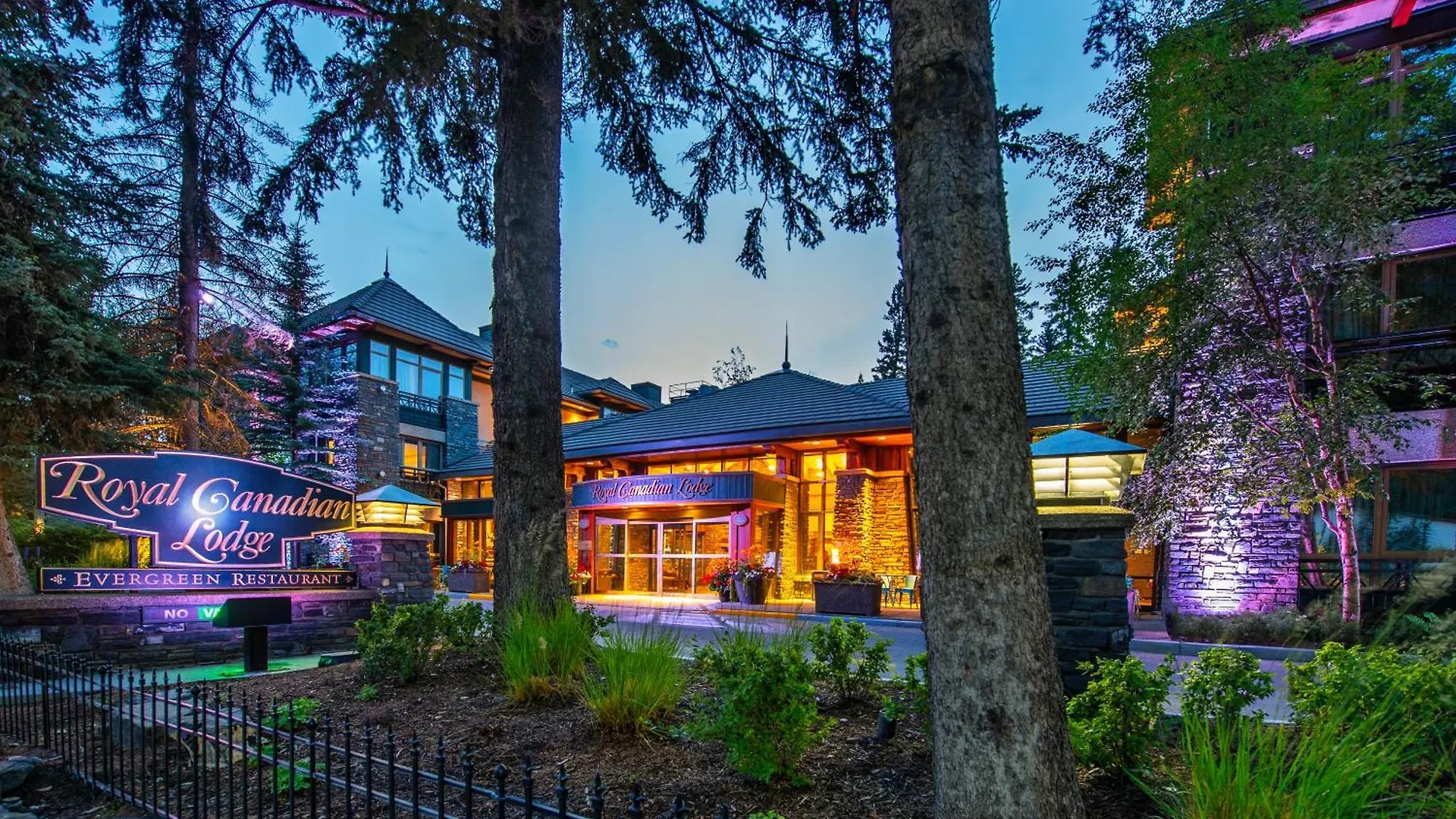
2. Royal Canadian Lodge
Show on map


Hurry – almost gone at this price!
fromUS$ 163
-
3. Fairmont Banff Springs
Show on map


Rooms filling fast – secure the best rate!
fromUS$ 302
Smart Travel & Timing Advice for Banff Avenue
Banff's visitor rhythm is shaped by two distinct peaks: summer (July through August) and ski season (late December through March), both of which drive central hotel rates to their highest points and fill Banff Avenue with international visitors. For summer stays, the window between late June and early July delivers long daylight hours, open hiking trails, and slightly lower prices than peak August - worth targeting if your dates are flexible. Book central hotels at least 8 weeks ahead for summer visits, as properties on and near Banff Avenue sell out well before arrival, particularly for weekend check-ins. The shoulder periods - late September through mid-October and April through late May - offer the clearest path to reduced rates, quieter conditions on Banff Avenue, and access to the same national park attractions, though some high-elevation trails may still carry snow in early May. January and April are consistently among the cheapest months for Banff accommodation according to booking data, making them strong targets for budget-conscious ski travelers who can work around the colder temperatures. Three to four nights is the functional minimum for a central Banff Avenue stay - enough time to cover the gondola, Bow Falls, at least one full ski or hike day, and an evening exploring the restaurants along Bear Street and the Avenue itself without feeling rushed.