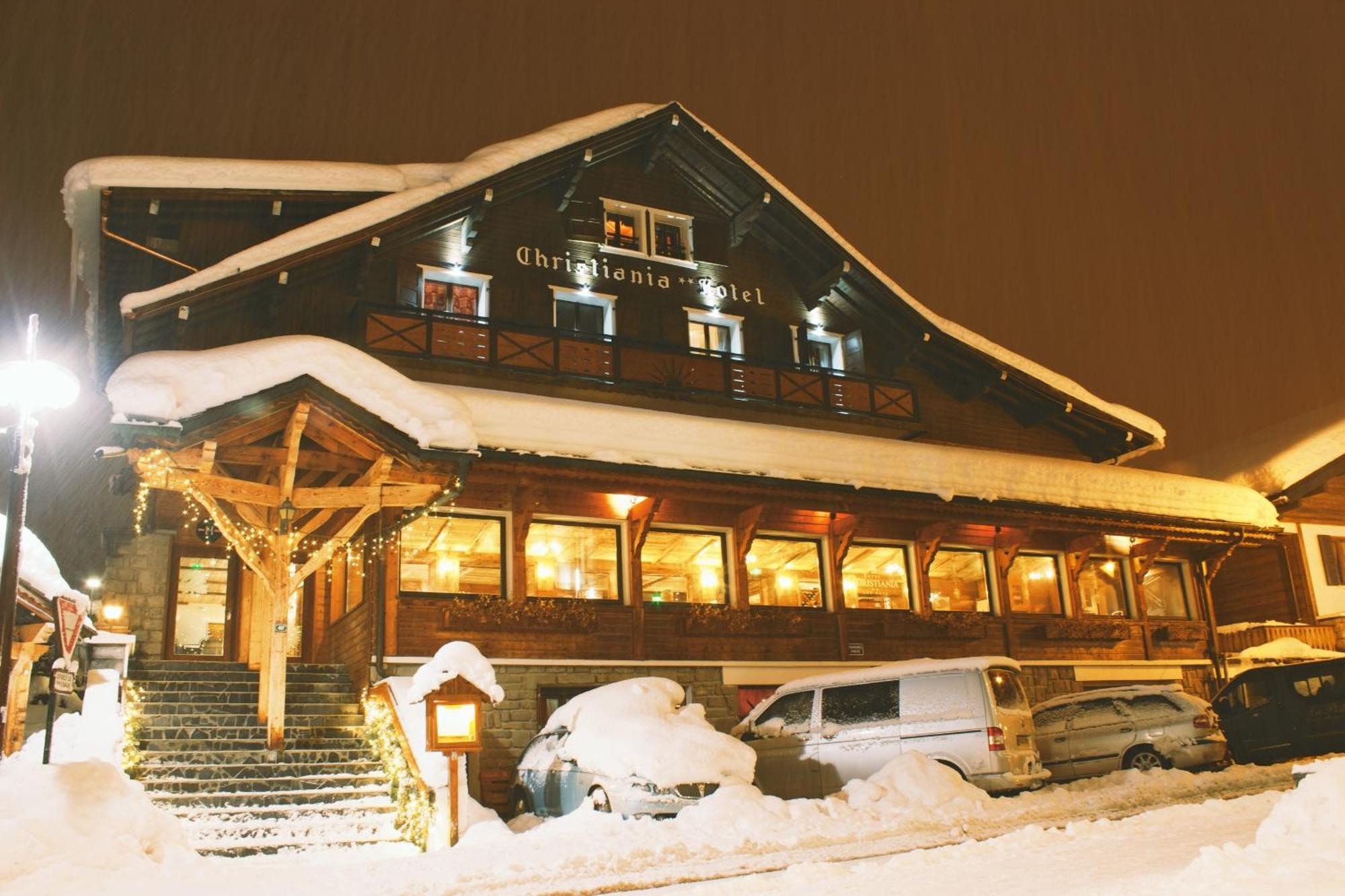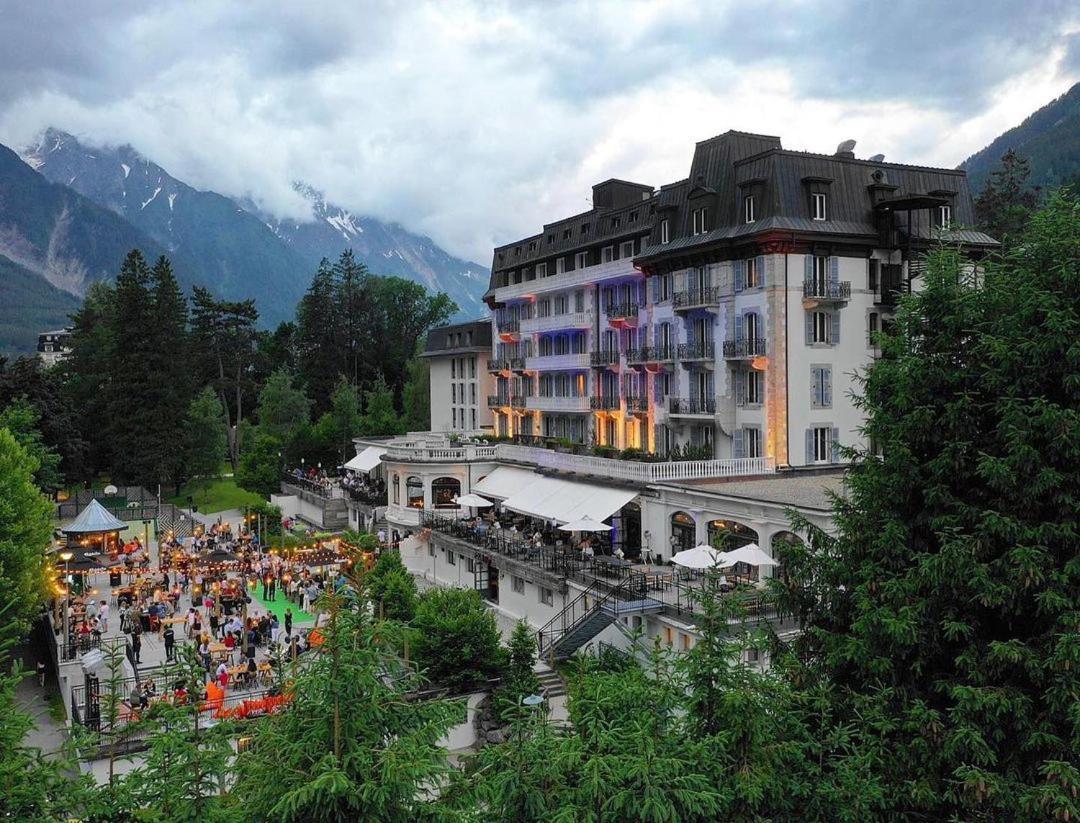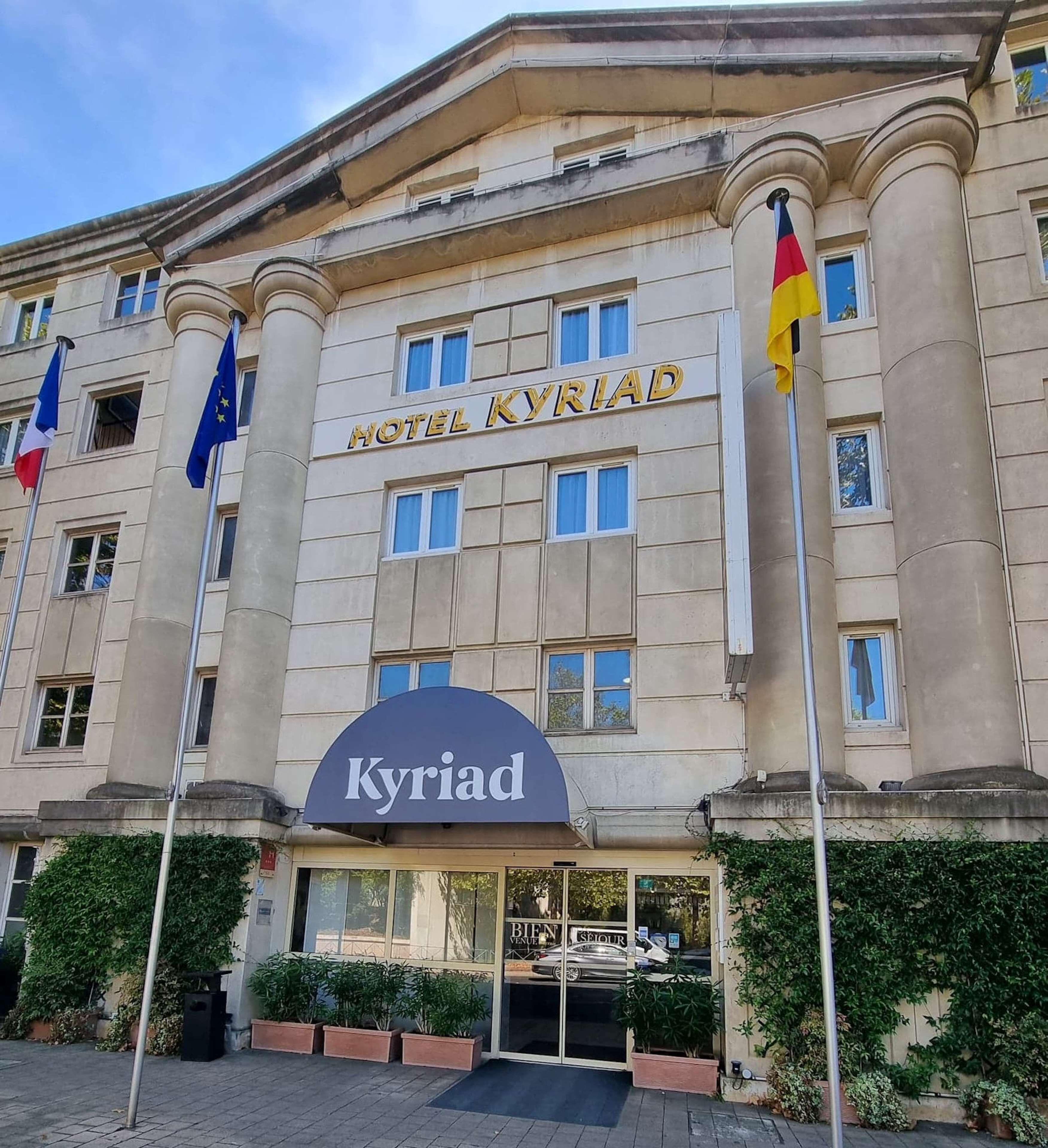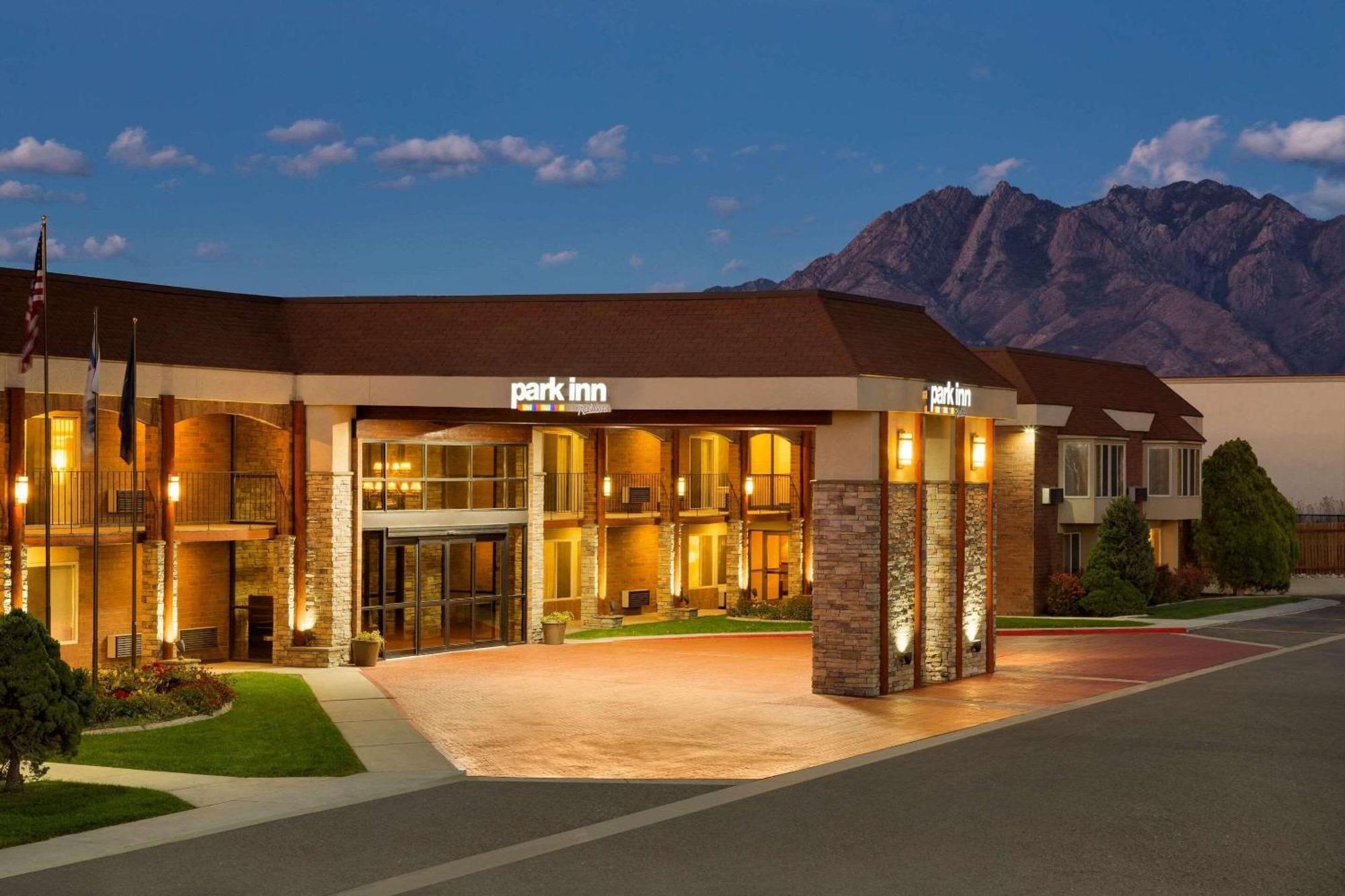
The 3000 Ski Lift in Val-d'Isère sits at the gateway to the Espace Killy ski domain, one of the largest interconnected ski areas in the Alps, linking Val-d'Isère with Tignes across over 300 km of marked runs. Staying close to this lift means direct, boot-on access to high-altitude terrain that stays skiable well into spring. This guide compares the 2 best resorts near 3000 Ski Lift to help you choose based on proximity, facilities, and value.
What It's Like Staying Near 3000 Ski Lift
The area surrounding the 3000 Ski Lift is a high-activity ski village zone where most movement happens in ski boots between 8:00 and 9:30 AM and again from 3:30 PM onward as skiers return from the slopes. Val-d'Isère village center - where most hotels cluster - sits at around 1,850 meters altitude, with the 3000 Ski Lift network connecting upward to the Col de l'Iseran area. Ski-in, ski-out access from this zone is the main draw: you avoid shuttle buses and can be on groomed runs within minutes of leaving your hotel. The village is compact, walkable in full ski gear, and lined with equipment rental shops, ski schools, and après-ski bars - all operating at peak intensity from late December through April. Those who want a quieter, car-based base with more space might find the village core too dense during school holiday weeks.
Crowd patterns peak sharply during French school holidays in February, when lift queues and restaurant waits stretch noticeably. Outside those windows, the area is busy but manageable.
Pros:
- Walk to major ski lifts including Solaise and Bellevarde without transport
- Surrounded by ski rental, pass sales, and après-ski within 200 meters
- Village infrastructure supports early starts on the mountain with no logistics overhead
Cons:
- Noise from the village center carries through the evening, especially on weekends
- Parking is limited and must often be reserved in advance
- Premium proximity pricing applies - budget options are scarce within walking distance of the lifts
Why Choose a Resort Near 3000 Ski Lift
Resorts in this zone are purpose-built for ski holidays, offering facilities like ski storage, boot warmers, on-site equipment hire coordination, and breakfast timing calibrated to early mountain departures - typically served from 7:30 AM. Unlike standard hotels in the village, resorts near 3000 Ski Lift tend to bundle wellness amenities such as saunas, hot tubs, and spas to serve the après-ski recovery need that defines a multi-day ski trip. Price premiums for slope-side resorts in Val-d'Isère run around 40% above comparable accommodation further down the Tarentaise Valley, but that gap is partially offset by saved shuttle costs and time. Room sizes vary significantly between mid-range and luxury tiers - entry-level resort rooms in this area average around 20 square meters, while premium properties offer suites with mountain-facing terraces and separate living areas. The key trade-off is paying for proximity in a village that prices its real estate accordingly.
The defining advantage here over standard hotels is the integrated ski service: pass sales on-site, storage, and recovery facilities under one roof.
Pros:
- On-site ski storage and pass sales points eliminate daily logistics friction
- Wellness facilities (spa, sauna, hot tub) serve the physical demands of multi-day skiing
- Breakfast schedules aligned with early lift openings, typically from 7:30 AM
Cons:
- Nightly rates are significantly higher than valley accommodation with shuttle access
- Smaller room footprints at mid-range tier compared to mountain chalets further out
- Demand-driven pricing means last-minute availability near the lifts is rare in peak weeks
Practical Booking & Area Strategy
The core village strip along the Rue du Fornet and the area surrounding the Place Jacques Mouflier puts you within direct walking range of the Solaise and Bellevarde Express lift stations, both of which connect into the broader 3000-meter lift network. Booking 8 weeks ahead for the February school holiday window is the minimum - properties in this zone sell out fast, and rates climb sharply after Christmas. For those willing to use the free ski bus, staying slightly outside the village center - toward La Daille or Le Fornet - can cut accommodation costs meaningfully while still providing reliable lift access. Nighttime in Val-d'Isère village is lively but safe, with concentrated après-ski activity between 4:00 PM and 8:00 PM, tapering after dinner service. Beyond skiing, the area offers ice skating at the Olympic rink, snowshoeing routes departing from the village edge, and the Col de l'Iseran road in summer for cyclists. The Tignes border is reachable within 13 km, expanding your off-mountain options considerably.
Best Value Stay
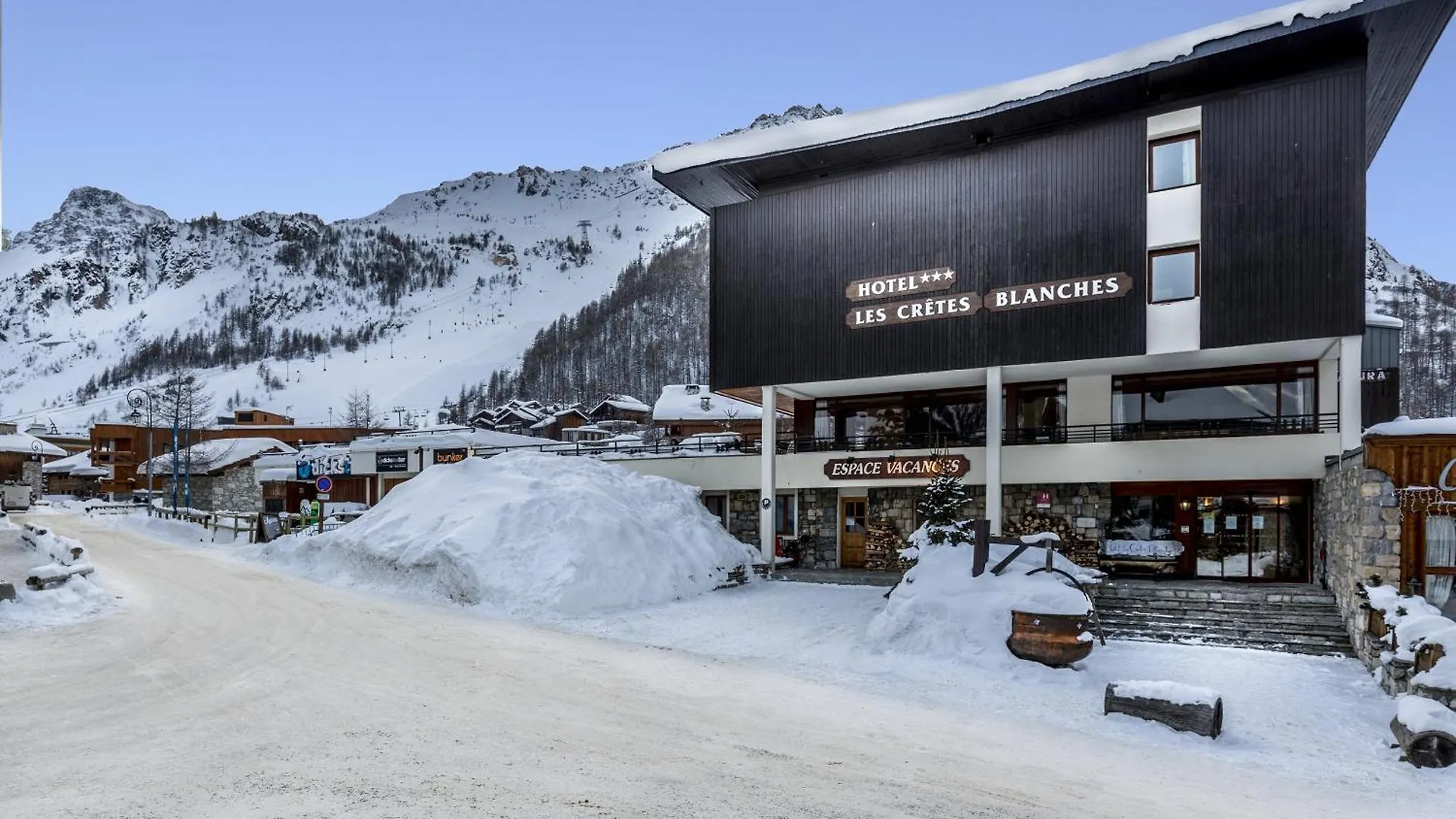
A solid mid-range resort option within direct walking distance of the main ski lift stations in Val-d'Isère village center.
-
1. Les Cretes Blanches
Show on map


Just a few rooms left at the best rate!
fromUS$ 110
Best Premium Stay
A 5-star resort with full spa facilities, on-site ski services, and a restaurant - positioned for skiers who want comprehensive mountain comfort close to the 3000 Ski Lift network.
-
1. Hotel Le K2 Chogori
Show on map


Hurry – almost gone at this price!
fromUS$ 1362
Smart Timing & Booking Advice for Val-d'Isère
Val-d'Isère's ski season typically runs from late November through early May, with the 3000-meter terrain staying open longest due to its altitude - a key reason to target late-season stays if you want fewer crowds and lower rates. February half-term weeks (French, British, and Dutch school holidays converging) represent the absolute demand peak: rates spike sharply and availability near the lifts collapses. January, outside of New Year's week, offers the best balance of snow quality and manageable lift queues. For budget-conscious planning, March delivers reliable conditions with prices beginning to ease after mid-month. A stay of at least 5 nights makes financial sense given travel distances - Chambéry is the nearest airport at 144 km, and Lyon Saint-Exupéry is around 220 km. Book resort accommodation at least 10 weeks ahead for any stay falling in school holiday windows; for January or March, 4 to 5 weeks is generally sufficient to secure good positioning near the lifts.