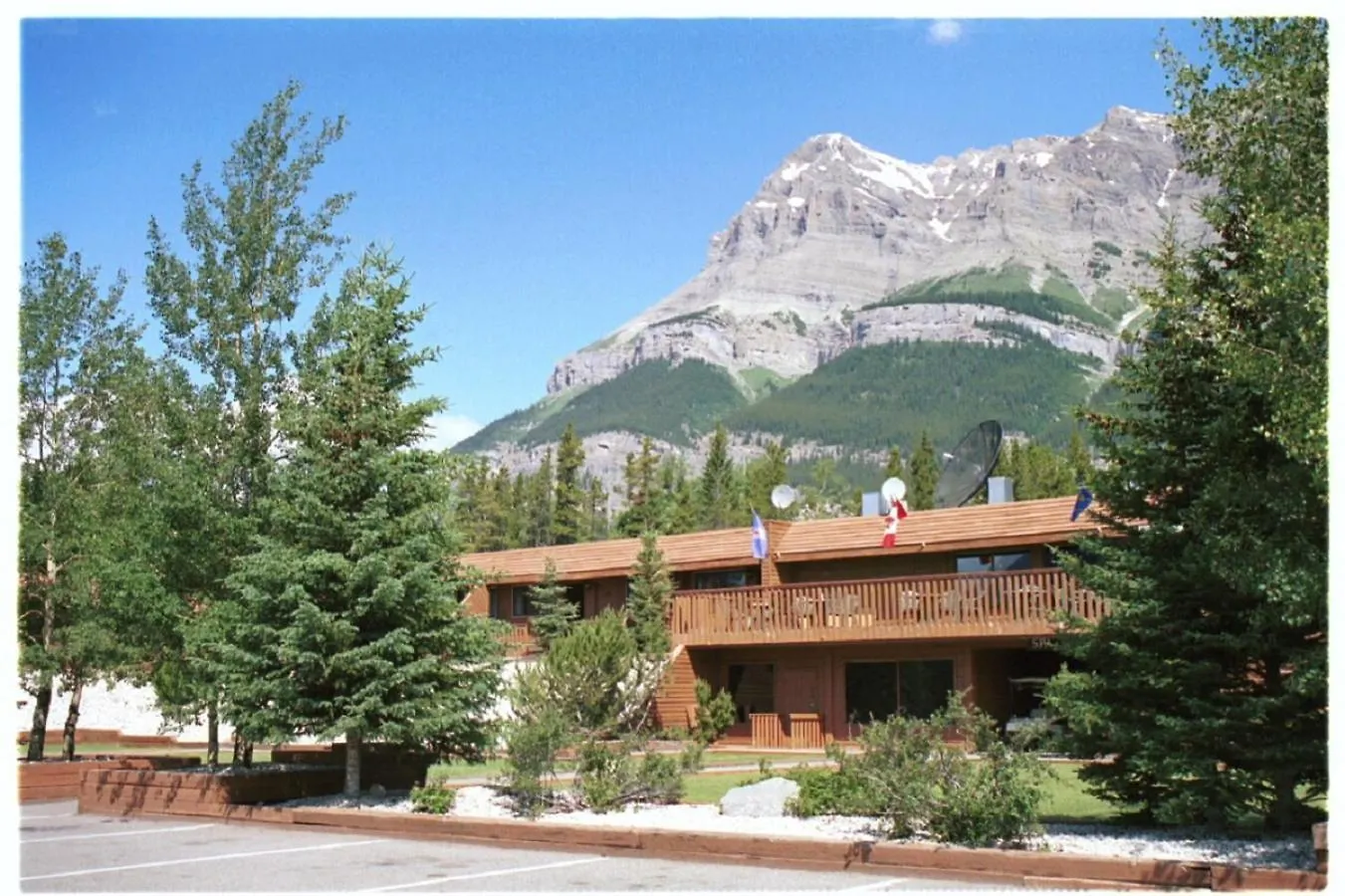
Banff National Park draws around 4 million visitors each year, making it Canada's most visited national park - and one of the most scenically dramatic places to base yourself in the Rockies. The resorts here sit within a UNESCO World Heritage Site, surrounded by glacier-fed lakes, wildlife corridors, and high-alpine terrain that can't be replicated by staying in a nearby city. This guide covers 4 carefully selected resorts across the park and its borders, from the Icefields Parkway to the shores of Emerald Lake, helping you choose where to stay based on location, access, and what each property actually delivers.
What It's Like Staying in Banff National Park
Staying inside Banff National Park means waking up inside the wilderness - not driving to it. Most accommodation sits along a handful of key corridors: the Trans-Canada Highway 1 near Lake Louise, the Icefields Parkway (Highway 93), and the Yoho National Park boundary just west. There is no urban infrastructure here - no metro, no rideshare grid - so a rental car is essentially mandatory for guests staying at any resort outside the Town of Banff itself. Crowd patterns peak sharply from late June through early September, when Lake Louise and the surrounding trailheads become heavily congested by mid-morning.
Wildlife activity is a real logistical factor: road closures due to bear or elk movement can delay travel between properties and attractions by an hour or more during active seasons. Guests who want solitude and direct trail access benefit most from staying in-park; those seeking urban dining and nightlife should reconsider and look at the Town of Banff instead.
Pros:
- Direct, immediate access to trailheads, glacier viewpoints, and alpine lakes without a long commute
- Immersive mountain environment with genuinely dark skies and low light pollution for stargazing
- Staying inside park boundaries means you can reach popular sites like Peyto Lake before the crowds arrive
Cons:
- A rental car is non-negotiable - public transport between resort zones inside the park is extremely limited
- Dining options outside resort restaurants are scarce along the Icefields Parkway and near Bow Lake
- In-park resorts often require full prepayment and have strict cancellation policies due to high seasonal demand
Why Choose a Resort in Banff National Park
Resorts in Banff National Park operate very differently from urban hotels: they function as self-contained bases, combining accommodation, dining, and activity access in one location because the surrounding terrain offers nothing else within walking distance. This all-in-one structure justifies the price premium - nightly rates at in-park resorts typically run higher than comparable star-rated hotels in Calgary, but the trade-off is direct access to landscapes that require a multi-hour drive from any major city. Room sizes at Banff resorts tend toward the generous end, with many properties offering cabin-style units or suites with private balconies and mountain-facing views rather than standard hotel rooms.
The category distinction that matters most here is not stars but setting and self-sufficiency: a resort on the Icefields Parkway serves an entirely different traveler than one in the Lake Louise village. Noise and foot traffic are not typically an issue - these are low-density, nature-integrated properties - but remoteness means that a forgotten medication or a broken car key becomes a serious inconvenience.
Pros:
- On-site restaurants, bars, and activity desks mean you rarely need to leave the property after a full day of hiking or skiing
- Cabin-style room configurations and fireplaces make these resorts genuinely suited to multi-night stays rather than one-night stopovers
- Many properties offer guided tours or direct connections to glacier tours, ski resorts, and fishing - no external booking required
Cons:
- Remote positioning means limited flexibility if your plans change - you are committed to the area around your resort
- Full prepayment policies are common, reducing financial flexibility compared to city hotels with free cancellation
- Availability in peak summer and ski season drops fast - last-minute bookings are rarely possible at competitive rates
Practical Booking & Area Strategy
Banff National Park's resort corridor splits into three functional zones: the Lake Louise village area (Trans-Canada Highway 1), the Icefields Parkway corridor running north toward Jasper, and the Yoho National Park border near Field, BC. Lake Louise is the most accessible zone - it sits around 58 kilometers west of the Town of Banff and connects to ski lifts, the famous lakeshore, and the Lake Louise Gondola within a 10-minute drive. The Icefields Parkway zone, by contrast, is suited to guests doing a multi-day drive toward Jasper, using the resort as a midpoint stop near Peyto Lake or Bow Lake.
Peyto Lake viewpoint, Bow Lake, and the Columbia Icefield are the three highest-traffic natural attractions along the parkway - and arriving before 8am is the only reliable way to avoid queues at the viewpoints. For skiing, Lake Louise Mountain Resort receives around 8.6 meters of snowfall annually, making winter resort stays genuinely high-value compared to day-tripping from Calgary. Book resorts at least 8 weeks in advance for any July or August dates, and consider mid-week arrivals to access slightly lower rates and fewer crowds at trailheads.
Best Value Stays
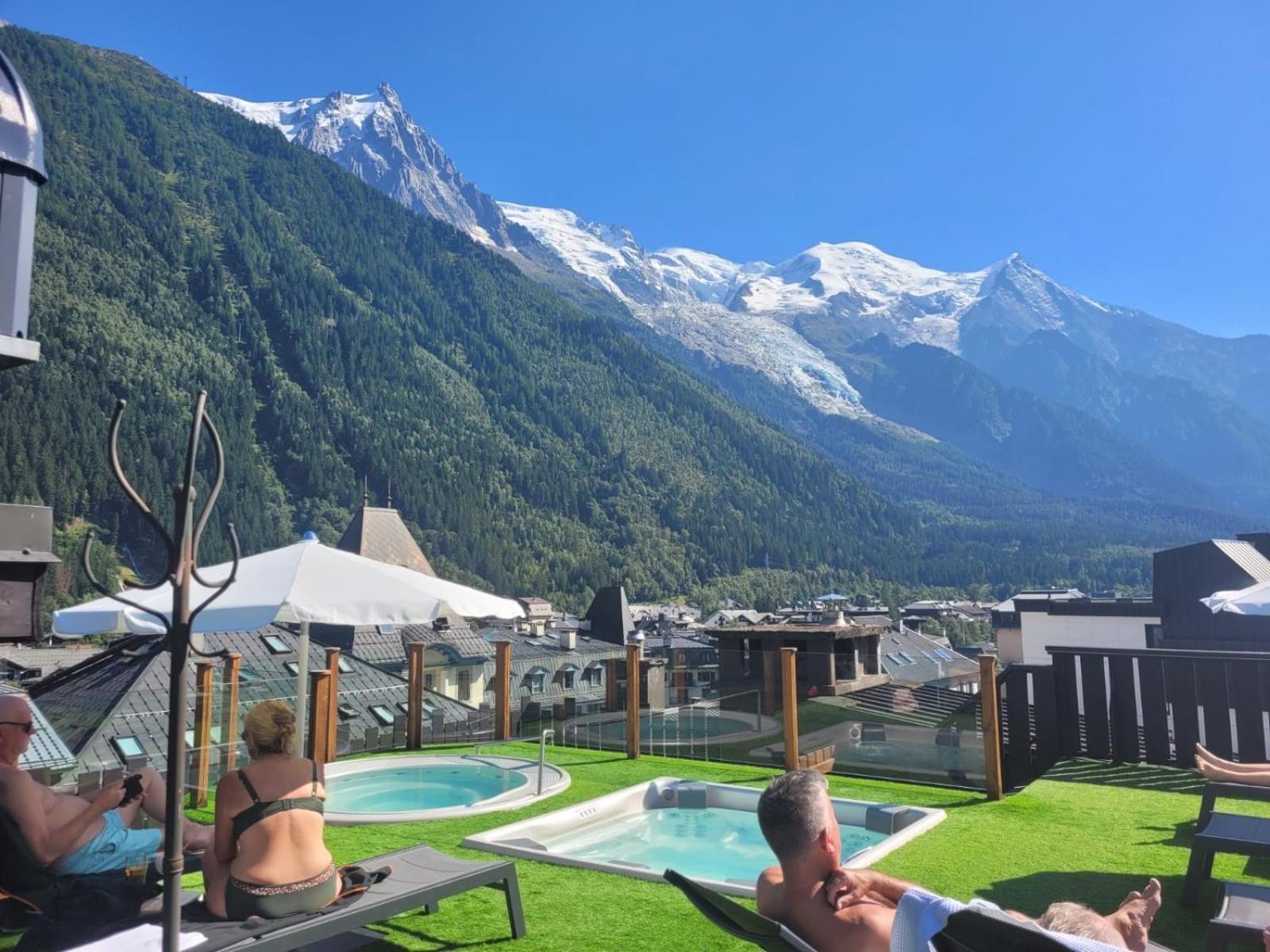
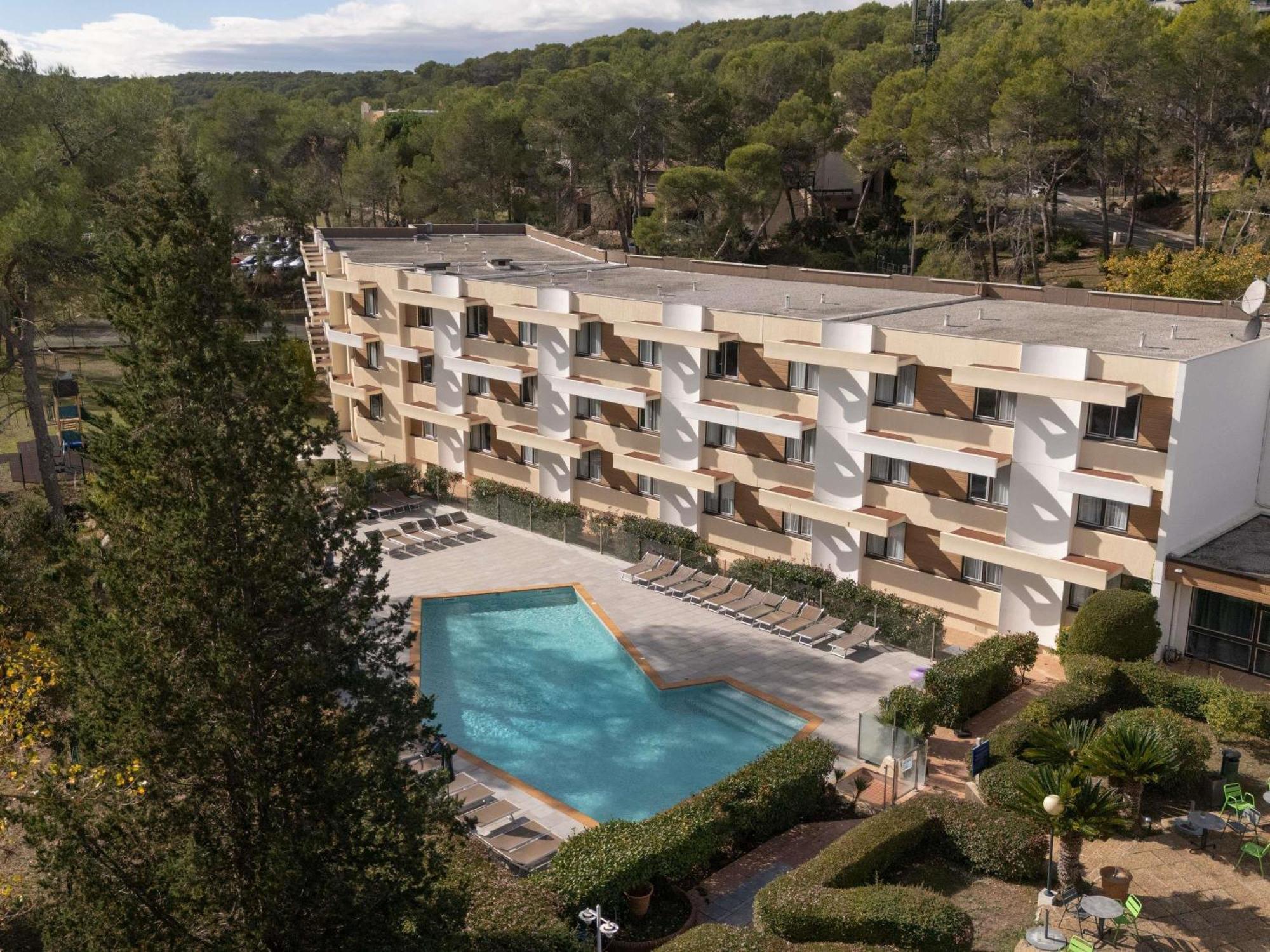
These resorts offer strong access to Banff National Park's core attractions with practical on-site amenities suited to travelers prioritizing activity, convenience, and honest value over luxury finishes.
-
1. The Crossing
Show on map


 Check-infrom 16:00 until 23:59Check-outuntil 11:00
Just a few rooms left at the best rate!
fromC$ 147
-
2. Mountaineer Lodge
Show on map


 Check-infrom 16:00 until 23:59Check-outfrom 10:00 until 11:00
Just a few rooms left at the best rate!
fromC$ 220
Best Premium Stays
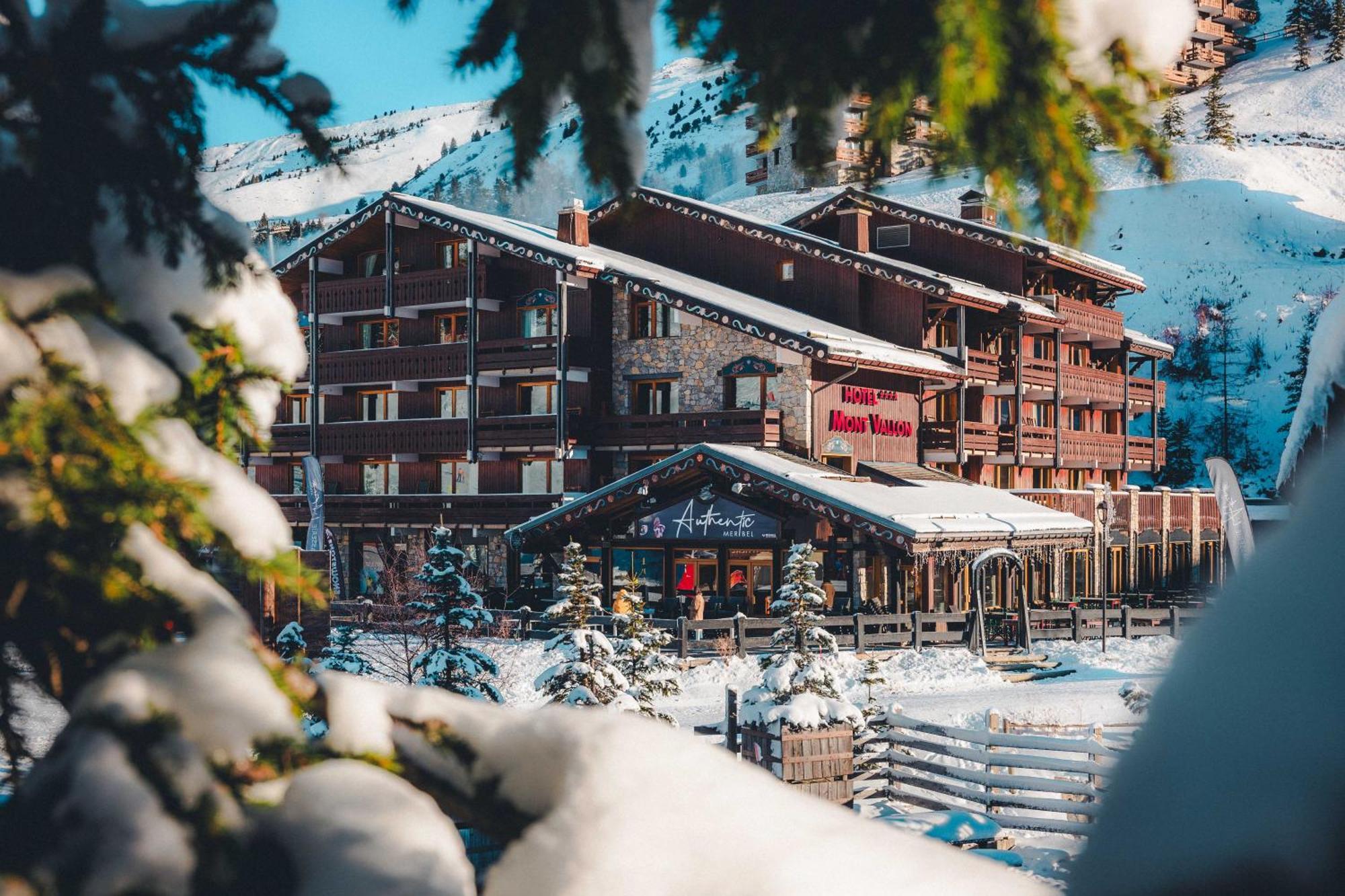
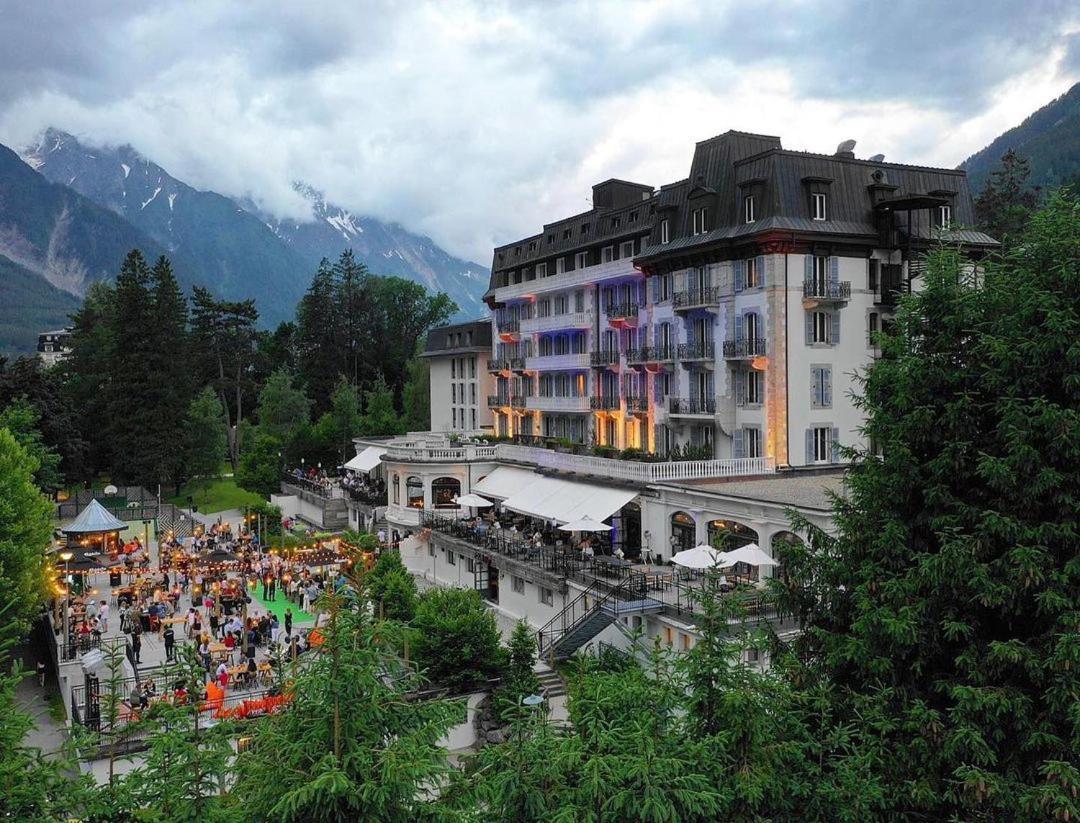
These two properties offer elevated settings, multi-restaurant dining, and architecturally distinct accommodations - suited to guests who want the Banff wilderness experience without compromising on-site quality.
-
3. The Lodge At Bow Lake
Show on map


 Check-infrom 15:00 until 17:00Check-outfrom 08:00 until 10:00
Hurry – almost gone at this price!
fromC$ 1316
-
4. Emerald Lake Lodge
Show on map


 Check-infrom 16:00 until 23:59Check-outuntil 11:00
Rooms filling fast – secure the best rate!
fromC$ 1646
Smart Travel & Timing Advice for Banff National Park
July and August are peak months in Banff National Park - accommodation fills fast, prices spike sharply, and the most popular viewpoints like Moraine Lake and Peyto Lake reach capacity before 9am. If your priority is the Icefields Parkway or Lake Louise, booking at least 8 weeks ahead is the minimum realistic lead time for peak summer. The shoulder seasons - late May to mid-June and September to mid-October - offer the strongest balance of open trails, active wildlife, and significantly reduced crowd density at viewpoints, without the snow closure risk of November through April.
Winter stays (December through March) suit guests specifically targeting skiing at Lake Louise Mountain Resort or the Kicking Horse area near Emerald Lake Lodge, with snowpack typically reliable by late December. A minimum of 3 nights is recommended for any in-park resort stay - driving in and out from Calgary for day trips defeats the purpose of in-park positioning and wastes around 4 hours of round-trip travel time daily. Last-minute availability does occasionally appear for Icefields Parkway resorts in early June and late September, but pricing rarely drops meaningfully compared to advance bookings at those times.