Minneapolis Parks and Recreation manages over 180 parks, 22 lakes, and 100 miles of trails - one of the most celebrated urban park systems in the United States. Travelers searching for design hotels near this network are typically looking for stays that balance access to green space with strong visual character, whether they're visiting for the Chain of Lakes, the Mississippi River trails, or cultural venues clustered near the park corridors. This guide covers 4 exceptional design hotels across the Minneapolis metro, with honest positioning on distance, access, and what each property actually delivers.
What It's Like Staying Near Minneapolis Parks and Recreation
The Minneapolis park system doesn't concentrate around a single point - it stretches across the entire city, from Loring Park near downtown to Lake Harriet in the south and the Mississippi River Regional Trail to the northeast. Staying near any of these nodes puts you within cycling or walking distance of trails, lakes, and green corridors that most U.S. cities simply don't offer at this density. The park access is genuinely walkable from several central neighborhoods, though the suburban park-adjacent zones require a car or bike share for meaningful trail use. Downtown-positioned hotels benefit from proximity to both Loring Park and the riverfront, while properties in Golden Valley or Roseville trade trail immediacy for quieter surroundings and easier parking. Crowd patterns shift seasonally - summer weekends around the Chain of Lakes draw heavy foot traffic, while winter mornings are remarkably quiet even on popular trails.
Most park entry points require no fee, which makes proximity a genuine value multiplier for active travelers. Those prioritizing nightlife or dense restaurant access over outdoor recreation may find the park-adjacent zones feel underpowered after 9 PM.
Pros:
- Direct access to trails, lakes, and green space without driving
- Park corridors are well-lit and maintained year-round, including winter skating and ski trails
- Downtown-adjacent park zones connect to cultural venues, Target Field, and Nicollet Mall within minutes
Cons:
- Suburban park-area hotels require a car to reach the most popular lake trails
- Summer weekend crowds around the Chain of Lakes and Minnehaha Falls can be significant
- Dining and nightlife options thin out quickly beyond the downtown core
Why Choose Exceptional Design Hotels Near Minneapolis Parks and Recreation
Design hotels in the Minneapolis area occupy a specific niche - they prioritize spatial character, curated aesthetics, and social spaces over the standardized layouts of chain properties. Near the park network, this matters because guests are often spending meaningful time outdoors and want a room that feels like a return to something considered, not just functional. Design-forward properties here tend to run around 20% higher than comparable standard hotels, but they typically deliver larger common areas, stronger F&B programming, and rooms that photograph and feel distinct. The trade-off is that not every design hotel in the Minneapolis metro sits within walking distance of a park entrance - some of the most architecturally interesting options are positioned in downtown or inner-ring suburbs, where park access means a short transit or bike ride rather than a door-to-trail walk. For travelers who want a hotel that earns its own attention alongside the parks, these properties justify the rate premium.
Standard chain hotels in the same zones often undercut design hotels on price but deliver predictable, compact rooms with minimal personality. Room sizes at design properties in this market tend to be more generous, particularly in converted or purpose-built boutique formats.
Pros:
- Distinctive room design and social spaces that reward extended stays
- On-site dining and bar programs that go beyond standard grab-and-go offerings
- Properties tend to be located in walkable neighborhoods with independent restaurants nearby
Cons:
- Rate premium of around 20% over standard hotels in the same district
- Not all design hotels offer complimentary parking - a real cost consideration in this driving-heavy metro
- Fewer options in outer park-adjacent zones like Brooklyn Center or Roseville
Practical Booking & Area Strategy
For the tightest park access from a downtown hotel, streets along Hennepin Avenue and Nicollet Mall place you within a 10-minute walk of Loring Park and a short bike-share ride from the Mississippi River Regional Trail via the Cedar Lake Trail connector. Golden Valley sits roughly 5 miles west of downtown, offering quieter surroundings and free parking, with Theodore Wirth Park - Minneapolis's largest - reachable in under 10 minutes by car. Brooklyn Center properties to the north are best suited for travelers with a vehicle, as park access relies on driving to trail heads rather than walking out the door. Book at least 6 weeks ahead for summer stays, particularly June through August, when the Chain of Lakes area, Minnehaha Falls, and outdoor event programming at venues like Boom Island draw strong regional demand. Winter travel sees rates drop noticeably and crowds thin, while the park system's skating rinks and groomed ski trails remain operational - a genuinely underrated time to visit. Minneapolis-Saint Paul International Airport connects to downtown via the METRO Blue Line light rail, reaching Nicollet Mall stations in around 25 minutes without a rental car.
Best Value Stays
These properties offer strong amenities and easy access to the Minneapolis park network at competitive rates, with free parking and breakfast included - meaningful cost offsets in a city where driving is common.
-
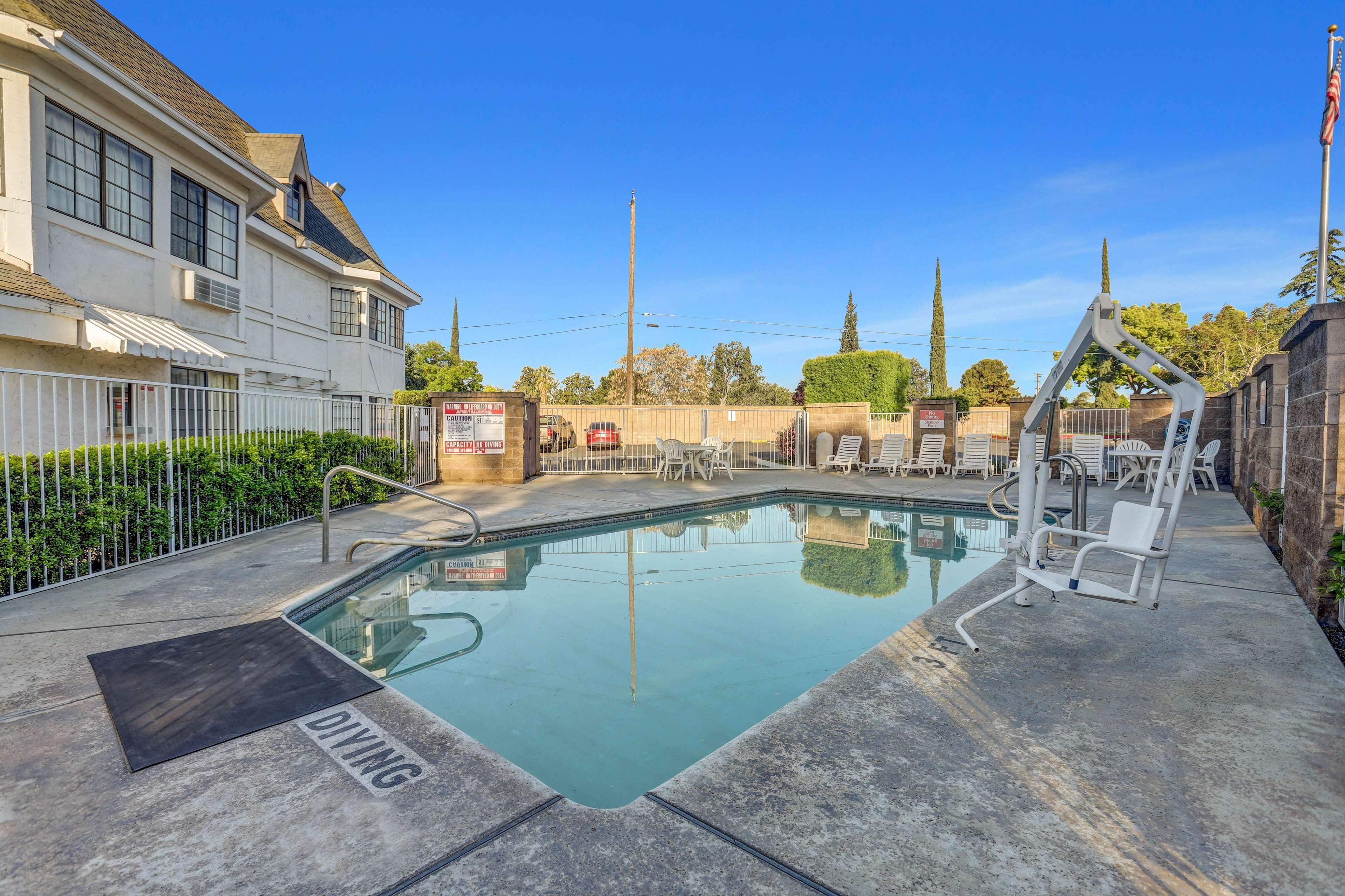
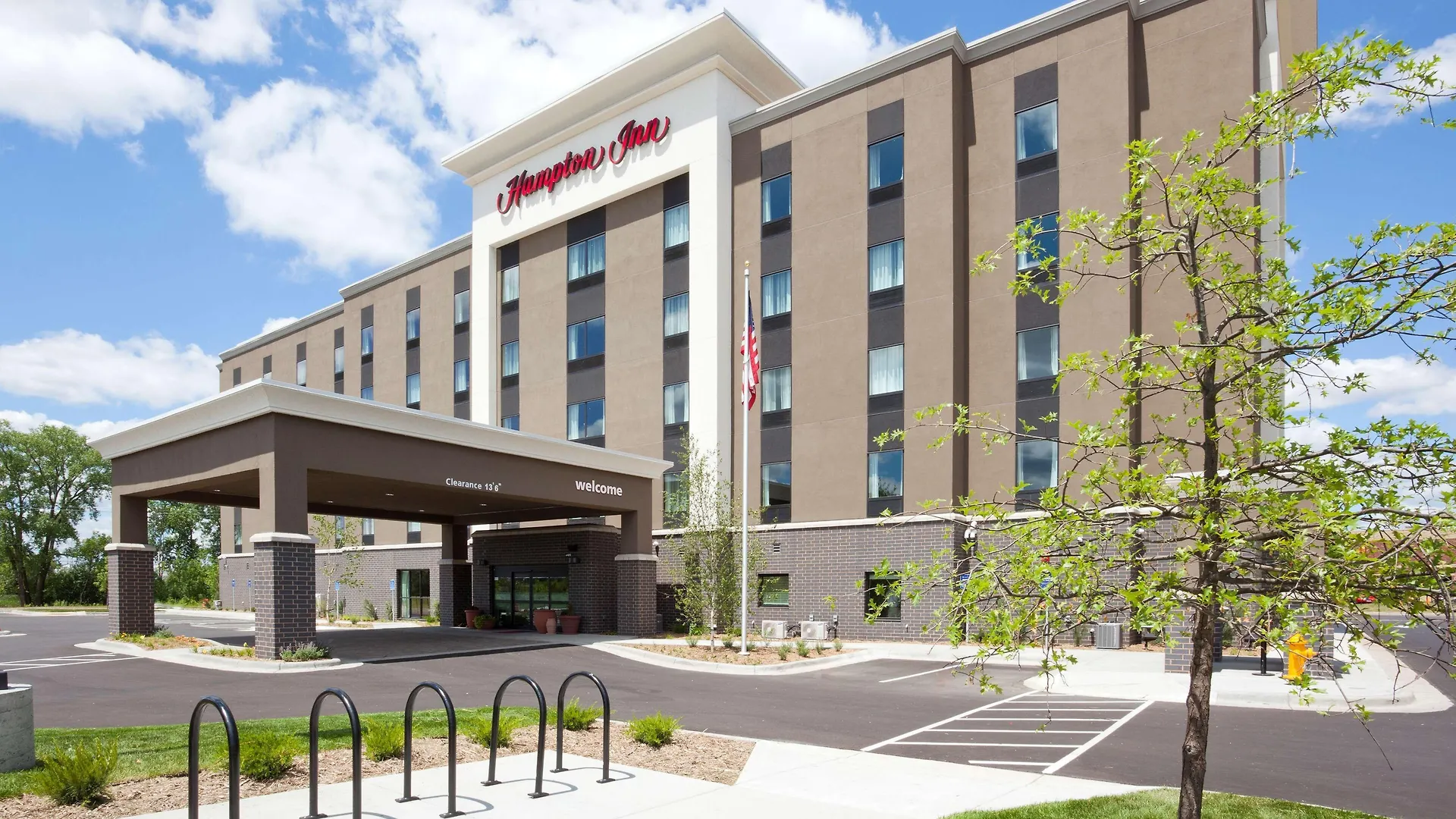
1. Hampton Inn Minneapolis-Roseville,Mn
Show on map


 Check-infrom 15:00 until 23:59Check-outuntil 11:00
Just a few rooms left at the best rate!
fromUS$ 149
-
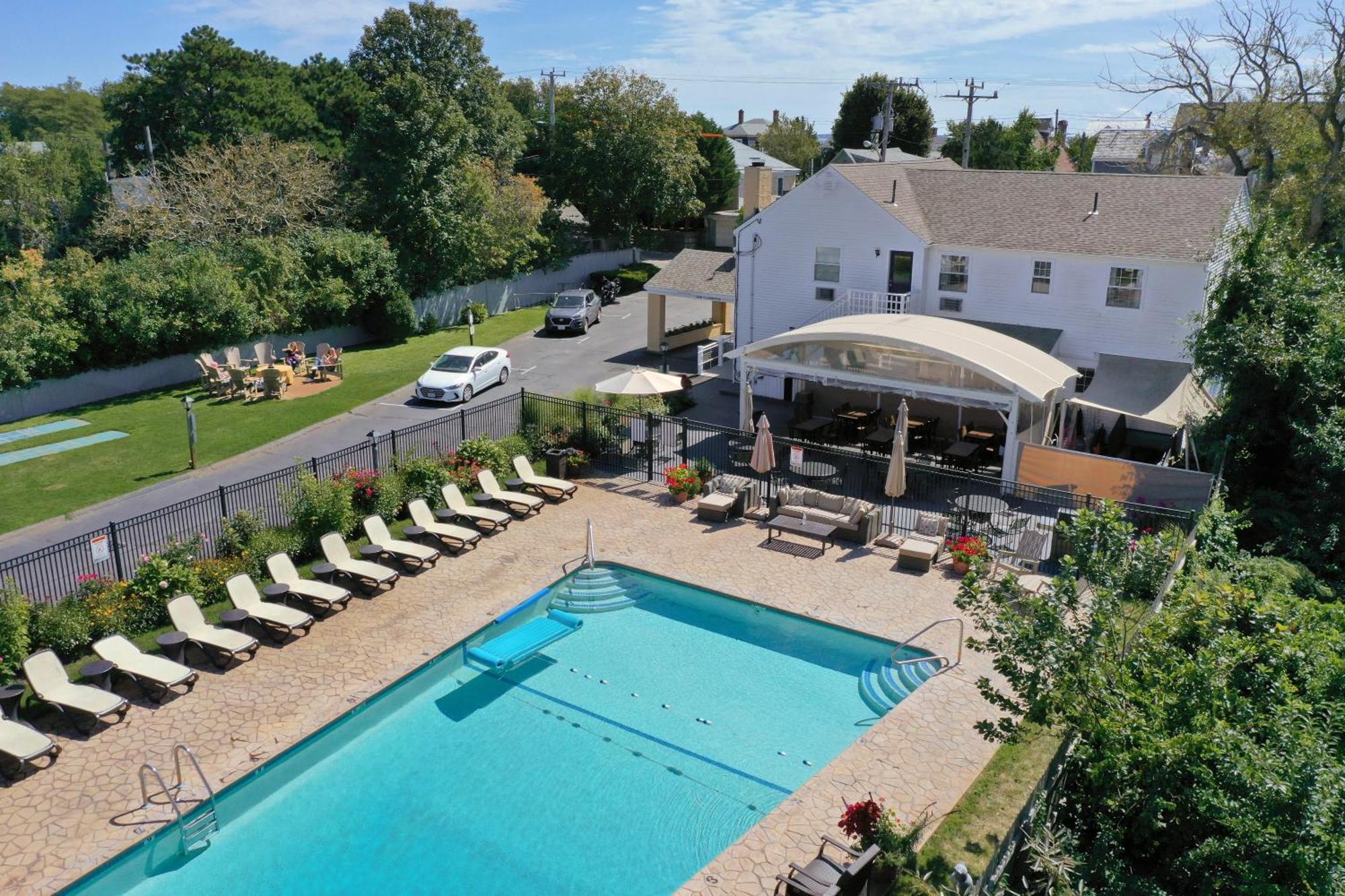
2. Comfort Inn
Show on map


 Check-infrom 15:00 until 23:59Check-outfrom 06:00 until 11:00
Just a few rooms left at the best rate!
fromUS$ 64
-
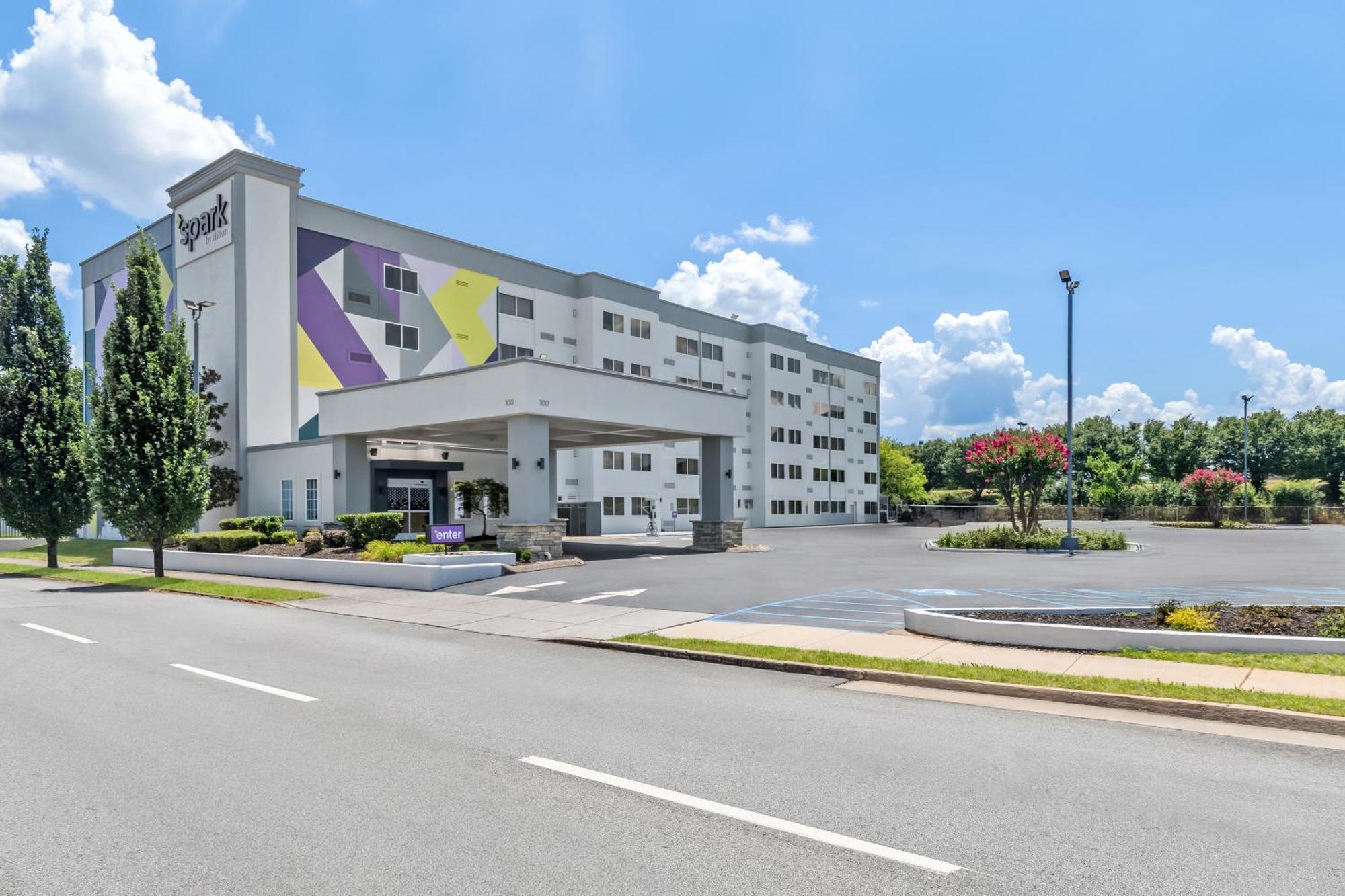
3. Ramada By Wyndham Minneapolis Golden Valley
Show on map


 Check-infrom 15:00 until 23:59Check-outuntil 11:00
Hurry – almost gone at this price!
fromUS$ 99
Best Premium Stay
For travelers who want a downtown Minneapolis address with genuine design character, direct walkability to Loring Park and Nicollet Mall, and a hotel that functions as a destination in its own right, one property stands apart from the suburban options.
-
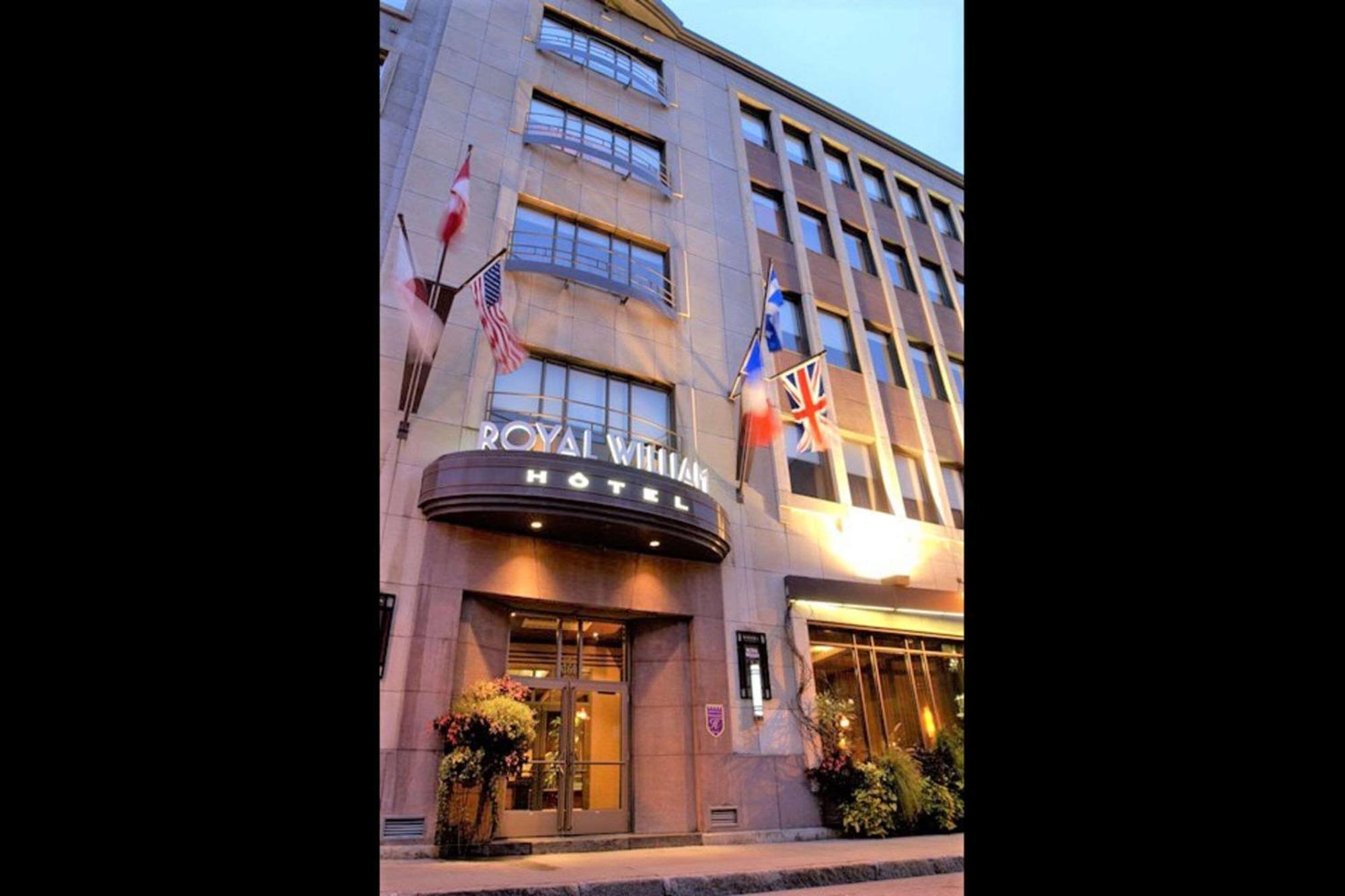
4. The Lofton Hotel Minneapolis, Tapestry Collection By Hilton
Show on map


 Check-infrom 16:00 until 23:59Check-outuntil 11:00
Rooms filling fast – secure the best rate!
fromUS$ 169
Smart Travel & Timing Advice
Minneapolis Parks and Recreation hits peak demand from late June through August, when the Chain of Lakes, Minnehaha Falls, and outdoor concert venues draw both regional visitors and out-of-state travelers. Book downtown design hotels at least 6 weeks ahead for summer weekends, particularly around the Minneapolis Aquatennial in July, when room rates spike and availability tightens fast. Shoulder seasons - May and September - offer the best balance of pleasant trail conditions, lower rates, and manageable crowds; the lake trails are accessible, foliage adds visual appeal in September, and summer programming has either just started or is winding down without the festival-driven rate surges. Winter travel between December and February sees the steepest discounts, often around 30% below summer highs, and the park system's groomed cross-country ski trails at Theodore Wirth and the outdoor skating rinks at Lake of the Isles remain operational. A minimum of 3 nights is realistic if you want to combine meaningful trail time with downtown cultural venues and sports events - shorter stays tend to feel rushed given travel time between the park zones and the city's spread-out footprint. Last-minute bookings in winter are generally viable for suburban properties but risky for downtown design hotels, which maintain stronger occupancy year-round due to corporate demand.