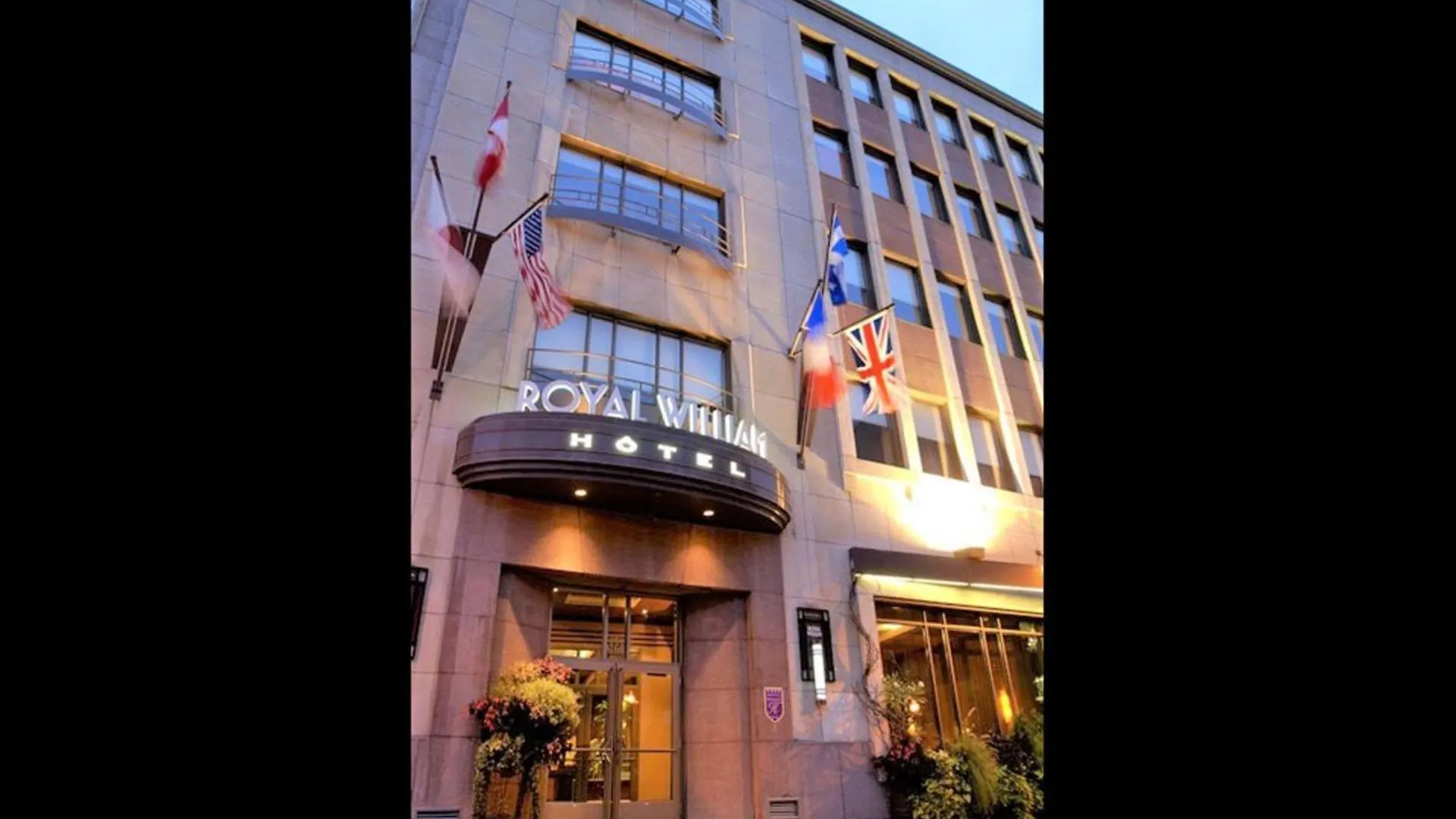
Old Quebec and its surrounding quarters concentrate an unusually high density of architecturally significant hotels - from 18th-century stone buildings repurposed into boutique stays to heritage landmarks that shaped the city's skyline. Whether you're anchoring in the walled Upper Town, the historic Lower Town near Place Royale, or the emerging Saint-Roch district, each micro-location delivers a different experience of Quebec City's UNESCO-designated streetscape. This guide covers 15 design-forward hotels across these zones, with specific details to help you choose the right one before you book.
What It's Like Staying in Old Quebec and Its Quarters
Staying within or immediately adjacent to Old Quebec means you're operating in a living museum - cobblestone streets, 17th-century fortifications, and heritage architecture surround you at street level. Most Upper Town hotels place you within a 10-minute walk of the major draws: Château Frontenac, the Citadelle, Plains of Abraham, and the Parliament buildings. Lower Town properties near the Old Port and Saint-Paul Street trade altitude for authenticity, sitting closer to the waterfront and the antique district. The Saint-Roch quarter, about 15 minutes on foot from the walled city, offers a grittier, more local rhythm with independent restaurants and art galleries replacing souvenir shops.
Crowds concentrate heavily along Rue Saint-Louis, Rue Saint-Jean, and the Dufferin Terrace boardwalk, especially from June through October during the summer festival season and again in January-February for the Winter Carnival. Noise from the pedestrian streets can reach room windows in older stone buildings where soundproofing is limited by the historic structure itself - a real trade-off worth knowing before booking a street-facing room.
Pros:
- Immediate walkable access to Quebec City's most significant historic sites without needing transport
- High concentration of design hotels in genuinely historic buildings - architecture is part of the stay, not just a backdrop
- Saint-Roch offers local neighbourhood texture with lower nightly rates compared to Upper Town properties
Cons:
- Upper Town streets are heavily trafficked by tour groups between 10am and 5pm, limiting the sense of discovery
- Parking in Old Quebec is expensive and logistically difficult - around 30 CAD per night at most hotel lots
- Stone building construction in many historic properties means limited natural light in interior-facing rooms
Why Choose Exceptional Design Hotels in Old Quebec
Design hotels in Old Quebec aren't built from scratch - they're carved out of 18th and 19th-century architecture, which means the design language here is fundamentally tied to exposed brick, original stone walls, period ironwork, and centuries-old floor plans that no new-build can replicate. The result is that a boutique design stay here offers something structurally different from a modern hotel: irregular room layouts, fireplaces in suites, and art deco detailing layered over heritage bones. Rates for design-forward boutique properties typically run 20-40% higher than standard chain hotels at comparable locations, but the spatial and visual quality of the rooms justifies the premium for stays focused on the city's historic character.
Room sizes vary significantly depending on the original building's floor plan - suites in converted 18th-century homes may be expansive, while standard rooms in the same property can feel compact due to structural walls that can't be moved. Noise management and in-room tech are where newer design-oriented properties pull ahead of purely historic ones, with properties like Hotel Le Germain and Hotel PUR integrating Nespresso machines, BOSE audio systems, and 47-inch screens into rooms that still carry architectural character. The trade-off is that the most historically authentic properties often have fewer accessible room options and limited elevator access.
Pros:
- Rooms in converted heritage buildings carry architectural detail - exposed brick, stone walls, fireplaces - that chain hotels cannot offer
- Several properties sit on named heritage streets (Rue Saint-Pierre, Rue Sainte-Anne, Côte de la Fabrique) with direct pedestrian access to major sites
- On-site dining at properties like Hilton Quebec (CABU by Marie-Chantal Lepage) and Fairmont Le Chateau Frontenac reaches culinary destination status independently
Cons:
- Historic floor plans mean room layouts can be irregular and storage space limited in smaller boutique options
- Elevator access is absent or limited in several converted buildings, which matters for guests with mobility considerations
- Premium design properties in Upper Town command high-season rates that can outpace comparable design hotels in Montreal or other Canadian cities
Practical Booking and Area Strategy for Quebec City Design Hotels
For Upper Town positioning, Rue Sainte-Anne and Côte de la Fabrique are the most strategic streets - they place you within 3 minutes on foot of both Château Frontenac and the Parliament buildings, while sitting slightly back from the highest-traffic pedestrian corridors. Grande-Allée, just outside the walls near the Saint-Louis Gate, is a strong alternative: it connects the Plains of Abraham to the city's restaurant strip and offers slightly lower rates than deep Old Town positioning. Lower Town's Rue Saint-Pierre cluster near the Old Port puts you 10 minutes by foot up the steep Breakneck Stairs or a quick funicular ride from Upper Town - manageable, but a real physical consideration in winter when ice accumulates on the inclines.
Quebec City's peak demand runs from late June through August and during the Winter Carnival in late January and early February - book at least 8 weeks ahead for those windows at the most sought-after properties like Fairmont Le Chateau Frontenac and Hotel Le Germain. The shoulder periods of May and October offer meaningfully lower rates with full access to the city's walkable core. The Saint-Roch and Nouveau Saint-Roch neighbourhoods, where properties like Hotel PUR and Hotel Royal William are located, are 15 minutes on foot or a short bus ride from Old Quebec, giving access to a growing food and arts scene along Rue Saint-Joseph that most Upper Town visitors miss entirely. Key things to do in and around Old Quebec include walking the 4.6 km rampart walls, visiting the Musée National des Beaux-Arts du Québec beside Battlefields Park, touring the Citadelle with the Royal 22nd Regiment, taking a Saint Lawrence River cruise from the Old Port, and exploring the antique and gallery strip along Rue Saint-Paul in Lower Town.
Best Value Design Stays
These properties deliver strong architectural character and well-configured rooms at rates that sit below the city's top-tier heritage landmarks, making them the sharpest value propositions among Quebec City's design hotel scene.
-
1. Hotel Royal William, An Ascend Collection Hotel
Show on map


 Check-infrom 16:00 until 23:59Check-outuntil 11:00
Best price guarantee
fromC$ 212
-
2. Hotel Le Concorde Quebec
Show on map


 Check-infrom 17:00 until 23:59Check-outuntil 11:00
Best price guarantee
fromC$ 228
-
3. Hotel Pur, Quebec, A Tribute Portfolio Hotel
Show on map


 Check-infrom 16:00 until 23:59Check-outuntil 12:00
Best price guarantee
fromC$ 253
-
4. Delta Hotels By Marriott Quebec
Show on map


 Check-infrom 15:00 until 23:59Check-outuntil 12:00
Hurry – almost gone at this price!
fromC$ 269
-
5. Hotel Chateau Laurier Quebec
Show on map


 Check-infrom 16:00 until 23:59Check-outuntil 12:00
Just a few rooms left at the best rate!
fromC$ 156
-
6. Hotel Sainte-Anne
Show on map


 Check-infrom 16:00 until 22:00Check-outfrom 08:00 until 12:00
Just a few rooms left at the best rate!
fromC$ 104
-
7. Hotel Port-Royal
Show on map


 Check-infrom 16:00 until 23:59Check-outuntil 11:00
Best price guarantee
fromC$ 444
Best Premium Design Stays
These properties represent Old Quebec City's highest tier for architectural identity, in-room quality, and on-site experience - each one a design destination in its own right, not just a place to sleep between sightseeing.
-
8. Hilton Quebec
Show on map


 Check-infrom 16:00 until 23:59Check-outfrom 06:00 until 12:00
Rooms filling fast – secure the best rate!
fromC$ 356
-
9. Hotel 71 By Preferred Hotels & Resorts
Show on map


 Check-infrom 16:00 until 23:59Check-outuntil 11:00
Rooms filling fast – secure the best rate!
fromC$ 245
-
10. Hotel Manoir D'Auteuil - Par Aneyro
Show on map


 Check-infrom 16:00 until 22:00Check-outfrom 07:00 until 11:00
Best price guarantee
fromC$ 204
-
11. Fairmont Le Chateau Frontenac
Show on map


 Check-infrom 16:00 until 23:59Check-outuntil 12:00
Best price guarantee
fromC$ 781
-
12. Hotel Clarendon
Show on map


 Check-infrom 16:00 until 23:59Check-outuntil 12:00
Just a few rooms left at the best rate!
fromC$ 135
-
13. Le Capitole Hotel
Show on map


 Check-infrom 16:00 until 23:59Check-outuntil 12:00
Best price guarantee
fromC$ 249
-
14. Hotel Le Priori
Show on map


 Check-infrom 16:00 until 23:59Check-outuntil 12:00
Hurry – almost gone at this price!
fromC$ 169
-
15. Hotel Le Germain Quebec
Show on map


 Check-infrom 16:00 until 23:59Check-outuntil 12:00
Best price guarantee
fromC$ 242
Smart Timing and Booking Strategy for Quebec City Design Hotels
Quebec City operates on two sharp demand peaks: summer (late June through August) driven by the Festival d'été de Québec and general tourism, and winter (late January through mid-February) for the Quebec Winter Carnival, one of the largest winter events in the world. During Carnival and the summer festival weeks, availability at top-tier properties like Fairmont Le Chateau Frontenac and Hotel Le Germain compresses to near zero unless booked 8 weeks or more in advance. Rates during these peaks can run significantly higher than shoulder-season equivalents for the same room category.
May and October are the most tactically sound months for design hotel stays in Old Quebec - crowds are manageable, the historic streets are walkable without congestion, and rates at boutique properties drop noticeably. A stay of 3 nights is the practical minimum to meaningfully cover Upper Town, Lower Town, and one day trip (Montmorency Falls or Île d'Orléans). Last-minute bookings work in the shoulder months but carry real risk from late June onward when the city's limited high-quality room inventory fills faster than comparable urban destinations. Guests targeting Saint-Roch properties like Hotel PUR or Hotel Royal William have more last-minute flexibility year-round given lower baseline demand in that neighbourhood.